
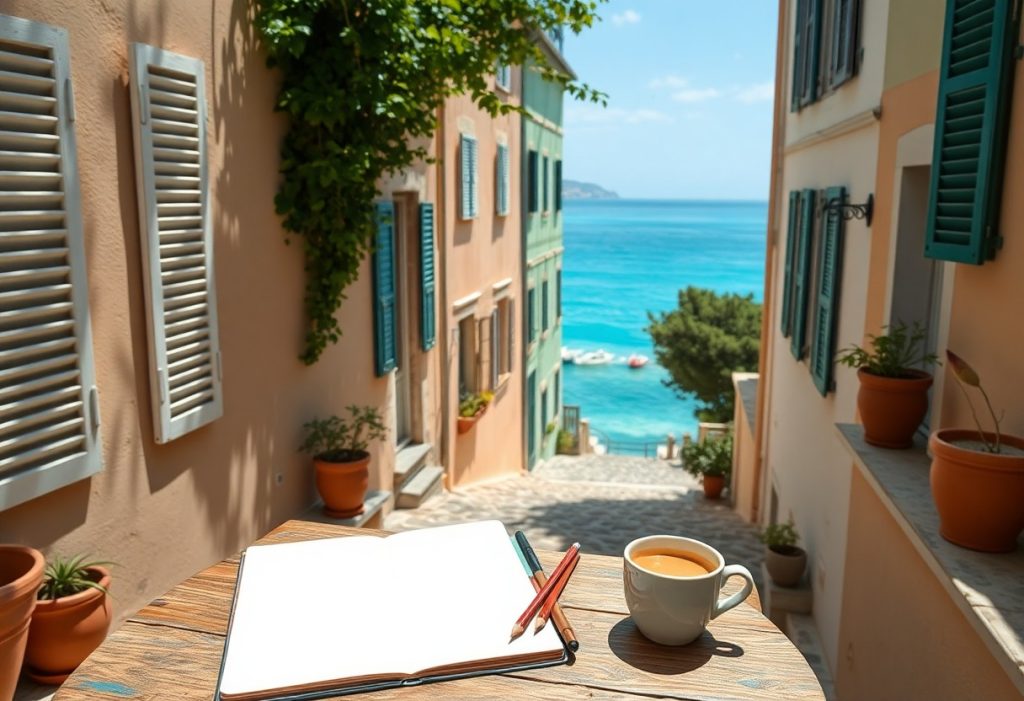
Riviera quiet corners invite you to slow down and sharpen ideas: quiet focus restores momentum, isolation can hinder creativity, and sunlit views spark inspiration.
Key Takeaways:
- Quiet corners of the Riviera reduce sensory overload and can sharpen concentration for many creatives, but individual temperament and established routines determine whether that concentration becomes lasting lucidity.
- Proximity to natural beauty and slow-paced daily life stimulates associative thinking and mood shifts that prompt novel connections; that stimulation often requires intentional practice or feedback to convert into productive work.
- Local infrastructure, cost, and social networks shape the sustainability of creative retreats; without reliable workspaces, connectivity, and affordable stays, short-term inspiration risks becoming a logistical distraction.
Beyond the Glitz and Glamour
Here you slip past the yachts into lanes where quiet sharpens thought, and you can follow the small community note LUMIERE UPDATE: We are disappointed that due to rising costs our event plans have changed as a reminder that culture here can be fragile.
Discovering the Riviera’s hidden side
You find narrow streets, secret coves, and tucked cafés that ask nothing of you but calm, perfect for scribbling ideas or recording voice memos.
Why silence is the ultimate luxury
Silence gives you the space to hear your own logic, making uninterrupted focus feel like a rare, generous gift when you test a new draft.
Outside the town centers, spotty signal and the sea’s hush force you offline, which can feel risky for deadlines but often yields sharper clarity.
Charming Nooks for Deep Thinking
Streets tucked away from the promenade give you unexpected pockets of calm where thoughts can stretch. You can sit on a low wall and let seclusion sharpen focus while the rhythm of distant waves clears mental clutter.
Stone steps and tiny piazzas invite you to linger with a notebook as locals move at an unhurried pace. You will notice how golden light and quiet conversations nudge fresh perspectives into view.
Hilltop villages where time stands still
Perched villages offer narrow lanes and terraced olives that slow your breathing and invite long, uninterrupted thinking. You might pause at a viewpoint to capture the panoramic views that help ideas arrange themselves.
Secluded beaches perfect for journaling
Waves whisper on pebble coves where you can spread a blanket and write as the sun shifts across the horizon. You should pay attention to rip currents near hidden inlets and keep your spot above the high-tide line.
Bring a light jacket, a water bottle, and a tide chart so your session stays peaceful; you will appreciate the mix of tranquillity and safety when the light is best for reflection.
Following in Famous Footsteps
You can wander the same lanes where artists such as Picasso and Fitzgerald sketched, feeling how their quiet routines still ripple through small cafés and sunlit terraces; that continuity often hands you a sudden, creative clarity when you least expect it.
Creative legends who sought solace here
Artists found refuge in modest villas and studio nooks, and you can follow those traces to see how solitude sharpened their practice; the most telling lesson is the value of daily, undistracted work over flashy inspiration.
Modern-day retreats for the curious mind
Today boutique residencies and short workshops invite you to try the same hush, offering guided critique alongside long, free hours; a small residency often gives the focused feedback and uninterrupted time that produce real breakthroughs.
Many retreats mix communal meals, local mentors and seaside walks so you can trade ideas while protecting long stretches for solo work; when you pick one, watch for limited spots and program intensity to match your rhythm.
The Ritual of Slow Living
You let the coast set a slower clock, and the space between tasks becomes a place to think. In quiet cafés and tucked courtyards you notice patterns that spark lines of prose or a new project; those pauses give you untethered focus that feeds creativity.
Alone mornings become experiments: long walks, a single cup, and time to shape an idea before screens reappear. While wandering, stay aware of steep cliffs and slippery stones so curiosity doesn’t turn hazardous.
Trading screen time for coastal walks
Stepping off the grid for a shoreline walk, you swap alerts for tide rhythms and bird calls. The movement loosens stuck thoughts and the fresh air clears mental clutter, though uneven paths and sudden waves demand attention to keep your practice safe and steady.
Finding clarity in the simple things
Small rituals-sketching a view, holding a warm cup, jotting a phrase-help you sort noise from signal. These modest acts create a steady habit that brings a clear head and sharper sentences without forcing inspiration.
Breathe the sea and write one honest line; repetition turns stray details into themes. Keep a pen and paper handy and protect yourself from long sun exposure while you linger, so the ritual stays nourishing rather than draining.
Planning Your Own Creative Getaway
Plan a simple schedule that gives you long stretches of quiet for work and short windows for wandering coastal lanes, and book a small rental near a secluded cove while avoiding peak summer crowds that can shatter focus.
Best seasons for absolute peace
Winter on the Riviera delivers the quietest streets and near-empty beaches so you can write uninterrupted, but pack warm layers since coastal winds can be brisk.
Essentials for your inspiration kit
Pack a lightweight notebook, reliable charger, noise-cancelling earbuds, and a small camera so you capture sudden ideas, keeping your charger and notebook within easy reach.
Bring a compact first-aid kit, strong sunscreen for cliff-top exposure, and a portable battery so you avoid losing power when inspiration hits.
Summing up
Conclusively you can find the Riviera’s quiet corners sharpen your creative lucidity by slowing pace, offering light and subtle social space that lets ideas breathe. If you seek fresh perspective, a brief stay can clear mental clutter and spark unexpected connections; explore related thinking in the Countryside, The Future press kit.
FAQ
Q: What does “quiet corners” mean on the Riviera, and what is meant by “creative lucidity”?
A: “Quiet corners” refers to tucked-away beaches, shaded garden paths, small harbors, village alleys, museum wings, and private terraces where sound and visual clutter is low and movement is limited. “Creative lucidity” means extended periods of clear, focused thought, sudden problem-solving insight, and the capacity to produce refined creative work with fewer distractions. Research on attention restoration and time spent near water and vegetation links these conditions to improved concentration, reduced mental fatigue, and higher idea fluency.
Q: Is there scientific or anecdotal evidence that the Riviera supports creative lucidity?
A: Studies on attention restoration theory show that natural settings improve directed attention and reduce cognitive exhaustion, which supports clearer thinking and idea generation. Research comparing “blue space” (coastal areas) to urban green space finds stronger effects on mood and reflection near water. Historical anecdotes from artists and writers who worked on the Riviera provide qualitative support: many report bursts of productivity tied to light quality, sea views, and quiet mornings. Controlled evidence is mixed, but converging findings indicate that predictable routines, low sensory overload, and access to nature on the Riviera increase the likelihood of creative clarity for many people.
Q: Which specific Riviera locations are most conducive to quiet creativity?
A: Small hilltop villages such as Èze and Saint-Paul-de-Vence offer elevated views and narrow, low-traffic streets that reduce noise and visual interruption. Coastal coves near Cap-Ferrat and Villefranche-sur-Mer provide sheltered, less crowded beaches and long sightlines over the sea that support contemplative walks. Botanical gardens, lesser-known museum wings, seaside promenades at dawn, and private villa gardens deliver micro-environments with controlled sensory input. Choosing off-season visits, weekday stays, or accommodations with private outdoor space increases the chance of finding true quiet.
Q: How should a creative schedule be structured on the Riviera to maximize lucidity?
A: Build a rhythm around morning and late-afternoon windows when light and atmospheric calm peak; use dawn for long walks or sketching to prime associative thinking, reserve mid-morning for focused writing or concentrated studio work, and allow a midday break for rest and sensory reset. Reduce digital interruptions by setting specific offline blocks, using a simple toolkit (notebook, pen, lightweight laptop), and creating a micro-ritual to begin work, such as a short walk or tea. Short residencies of one to three weeks often produce better results than single days, because repeated exposure and routine lower cognitive friction.
Q: Who benefits most from Riviera quiet corners, and what pitfalls should be avoided?
A: Solo creators working on concept-heavy tasks-writers, composers, painters, designers-often gain the most because they need extended uninterrupted attention. Teams and collaborators can benefit when retreats include structure and shared quiet hours. Common pitfalls include peak-season crowds, high accommodation costs, and confusing access to truly secluded spots. Mitigation strategies include traveling off-peak, booking small guesthouses or private rentals, scouting places on arrival for low-traffic hours, and balancing solitude with occasional social contact to avoid creative isolation.