

With this handy list, you get 10 unique, short, question-based headlines that include your keywords and rare or distinctive words, helping you charm readers while you avoid clickbait traps and boost engagement.
Key Takeaways:
- Ten concise, question-format headlines integrate target keywords with rare or distinctive words to spark curiosity and improve click-through rates.
- Templates suit varied niches, reduce headline-crafting time, and help content stand out in search and social feeds.
- Short, question-based format encourages engagement and invites readers to answer or click, increasing potential shares.
Is your logic labyrinthine?
You stack nested conditions until you barely recognize the flow, and you confuse teammates and future-you. Hidden branches multiply bugs and slow fixes.
You can simplify by splitting concerns and naming choices so your logic reads like a map. Clearer paths save time.
Complex structures
You assemble interwoven rules that behave differently depending on tiny state differences, which makes tests brittle. Cross-linked branches cause unexpected failures.
You prefer short functions and explicit guards that isolate behavior, so reading code becomes easier and safer. Small, focused pieces reduce risk.
Finding the exit
You look for simple decision points and add clear returns or state resets to break loops. Early exits stop cascading errors.
You refactor long conditionals into descriptive helpers so the exit intent is obvious. Readable guards prevent subtle bugs.
You write tests for edge cases and trace paths to ensure exits trigger correctly, and you use logging or debuggers to expose hidden loops. Testing and tracing reveal safe escape routes.
Can silence be mellifluous?
You notice melody inside quiet when breath and thought slow, and silence becomes mellifluous, offering a soft, unexpected comfort that feels like music.
Musical stillness
You hear patterns in pauses, like a heart tapping a steady beat; gentle rhythms in stillness help you focus and feel calm.
Auditory peace
You welcome hush as restorative, a space where noise fades and healing calm lowers stress and sharpens attention.
You stay alert when quiet persists unusually, since silence can be dangerous when it hides harm or emergencies; trust your instincts and speak up if something feels wrong.
Is that feeling petrichor?
You catch that damp, sweet scent after the first drops – that’s petrichor. Plant oils released during dry spells mix with geosmin from soil microbes when rain disturbs the ground, creating a fresh, memory-tinged aroma you can’t miss.
You may feel soothed by that scent, but be cautious around pooled water; mold spores can aggravate allergies or respiratory issues. Step outside to enjoy the smell while avoiding damp corners if you have sensitivities.
Earthy rain scents
You detect layers: sharp ozone after lightning, sweet plant oils, and mineral geosmin from soil bacteria. Ground-level ozone and certain chemical smells after storms can irritate lungs, so breathing polluted storm air may be harmful for sensitive people.
You can tell environments apart by nuance: clay soils give deeper, muskier notes; sandy soils smell lighter. Urban runoff or gasoline odors signal contamination, while pure soil scent is often comforting and natural.
Nature’s aroma
You notice how leaves, bark oils, and microbial gases blend into a signature outdoor perfume that often lifts your mood; many people find that scent improves well-being. Moldy or musty notes can indicate damp rot, and exposure may worsen breathing problems for some.
You can savor nature’s aroma by stepping outside after rain, closing your eyes, and inhaling slowly; that simple act can feel restorative and grounding.
Geosmin comes from actinobacteria that thrive in soil and release the compound when disturbed, creating the earthy backbone of petrichor; this microbial source explains why the smell signals recent rain and healthy soil.
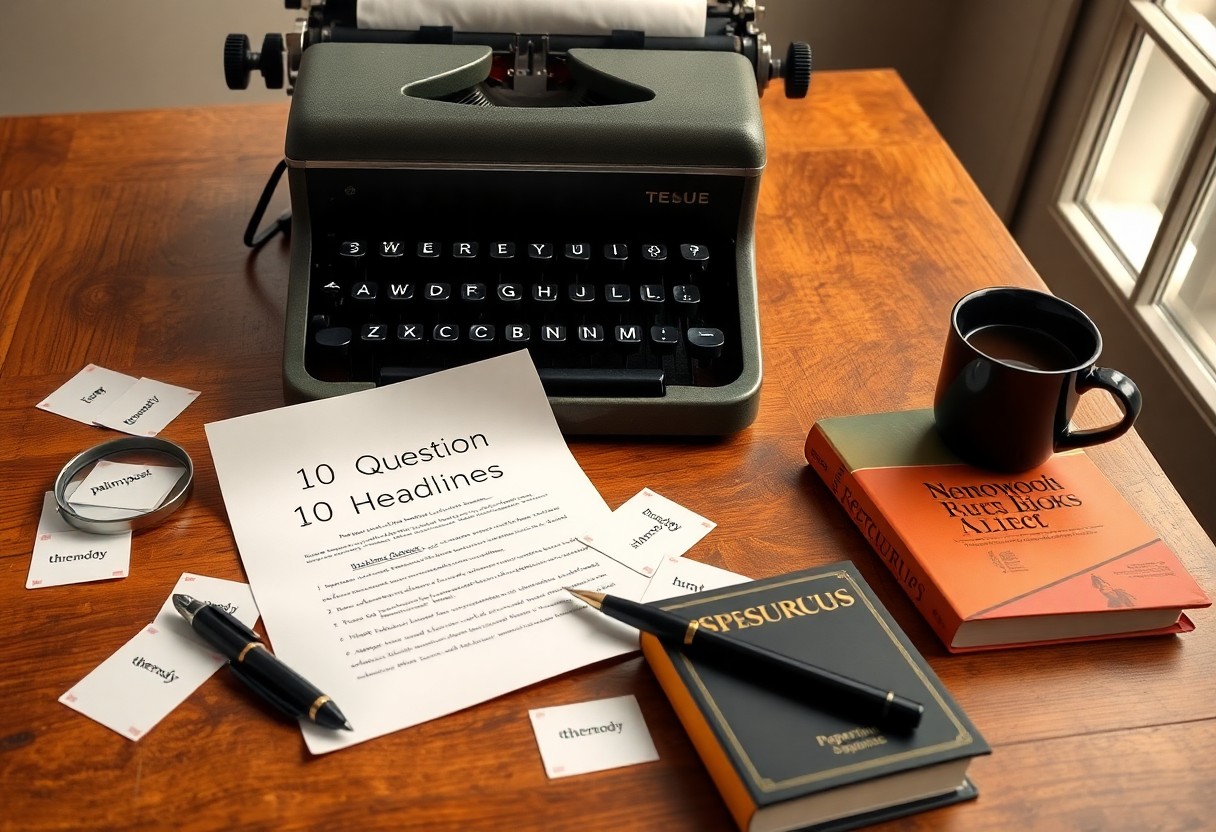
Are your dreams nebulous?
You feel your dreams but cannot hold them; images blur at the edges and plans fade. Name one small outcome to give your thoughts a frame; clarity speeds progress while confusion stalls action.
You can rescue those dreams by picking a first tiny step and testing it. That experiment turns vague hope into a measurable move and reveals what truly matters; momentum converts fog into focus.
Vague imagery
You notice symbols and feelings without concrete scenes; nothing sticks. Try sketching one image or writing a single sensory detail to anchor the idea; specificity helps your brain commit, while open-endedness breeds drift.
You can use a single color, sound, or smell to make the vision tangible. Small details reveal themes and highlight the next practical move; detail sparks direction.
Clouded visions
You find images smeared by stress, doubt, or other people’s expectations; those influences make goals feel borrowed. Name which voices dampen your picture and protect the parts that feel true; external pressure can mislead, while authentic desire guides better choices.
You can clear the mist with brief rituals: a five-minute journaling prompt, a walk, or a single experiment that tests one assumption. Small practices reduce noise and reveal what actually matters; action dissolves endless speculating.
Try this quick exercise: write the dream in one sentence, cross out everything that sounds like obligation, and keep the element that still excites you; the remaining phrase becomes a practical north star and a safe test to pursue; clarity and courage work together to cut through the fog.
Seeking halcyon days?
You long for quieter moments after hectic seasons and ask how to steady your pace; small adjustments can restore balance. Try simple rituals like screen-free mornings or short walks that give real relief and restore focus.
Watch for signs that calm is precarious; overcommitment or constant stimulation can be dangerous to your energy. Protect micro-rituals to keep peace accessible.
Peaceful times
You create peaceful times by trimming your to-do list and favoring gentle routines that let you breathe; those habits build lasting calm over weeks. Choose one tiny change and repeat it.
Avoid people-pleasing or endless scrolling that drain you, since those patterns are often dangerous to your wellbeing. Say no more often to safeguard serenity.
Golden era
You picture a golden era where days feel bright and purposeful; set tiny, clear goals that make progress visible and help you feel buoyant.
Guard against idealizing the past because clinging to nostalgia can become dangerous if it stops you from enjoying today.
To reach that era, you combine steady habits with brief celebrations: log weekly wins, protect downtime, and adjust expectations; those moves yield measurable happiness gains.
Is the future inchoate?
You see the future as a sketch holding both promise and ambiguity. Small signals appear; each carries opportunity and hidden risk.
You can choose curiosity and prudent action, testing ideas in tiny cycles to reveal what grows. Some shifts bring danger, others spark unexpected growth.
Just beginning
You notice faint trends and experimental moves that hint at larger change. Early adopters create patterns you can study, copy, or disrupt; that pattern knowledge is an early advantage.
You should make low-cost bets and collect fast feedback to avoid costly mistakes. Gentle steps reduce risk while keeping room for creative upside.
Unformed potential
You encounter raw ideas without clear shape, a space where many futures compete. The messiness holds both possibility and acute uncertainty.
You can turn fragments into prototypes to test appetite, cost, and impact; small experiments reveal which concepts survive. Prioritizing clarity reduces danger and increases opportunity.
You can map simple scenarios, allocate tiny resources, and treat surprises and setbacks as feedback, not failure; early data helps you pivot toward what shows real traction.
Is it merely limerence?
You wonder whether the rush you feel is love or limerence. You may notice intense obsession, constant fantasies, and a craving for reciprocation that feels urgent. Watch for warning signs of intrusive thinking that disrupt daily life and for small moments of genuine connection that suggest something deeper.
You can test your feelings by observing time, reciprocity, and stability. If admiration fades with distance or attention, the feeling may be limerence; if care grows in ordinary moments, it may be love. Keep boundaries and honest self-questioning to protect your well-being.
Infatuation depths
You measure infatuation by how quickly fantasies dominate your day and how little you know the other person beyond idealized traits. Persistent intrusive thoughts and neglected responsibilities point to deep limerence, while balanced priorities and occasional daydreams hint at lighter attraction. Tracking patterns helps you see the truth.
Emotional intensity
You experience sudden highs and lows that feel disproportionate to small interactions. Emotional rollercoasters with elation after attention and despair after silence often indicate limerence rather than stable love.
You may notice racing heart, sleeplessness, or anxiety when contact is uncertain. Physiological arousal and obsessive rumination can mimic passion but frequently stem from unmet longing and uncertainty.
Try grounding techniques, limit exposure to triggers, and share your feelings with trusted friends for perspective. Set clear limits on messaging and social media, and consider professional support if obsessive thoughts disrupt life. Maintaining healthy boundaries protects your emotional health and clarifies whether feelings deepen into love.
Is your plan quixotic?
You can fall in love with a grand plan and miss the messy steps that make it real. Test assumptions early; a bold idea offers a huge creative upside and carries a high risk of burnout if you ignore feasibility.
Ask whether you can build quick wins and measurable milestones to prove progress. Small experiments expose weak links and keep your plan from becoming a costly detour.
Idealistic pursuits
You pursue noble goals that spark energy and fresh thinking. Idealism delivers an inspiring momentum that can attract collaborators and creative solutions.
Pair vision with concrete steps so excitement turns into results; set simple daily actions to translate big ideas into steady progress.
Impractical goals
You set targets without tracking time or money, which often leads to stalled work and wasted effort. Flag that as a danger: wasted capital.
Small pilots will reveal whether your skills and timelines align with the ambition; pilots act as a reality check and limit downside.
Break big aims into weekly tasks, assign clear metrics, and add exit triggers for high-risk bets so you can pivot fast and avoid sunk-cost traps; this method is a practical safeguard.
Conclusion
To wrap up, you now have ten unique, short, question-based headlines that pair your keywords with rare or distinctive words to spark curiosity. Use them to test click rates, tweak phrasing, and see which questions draw your audience.
FAQ
Q: What exactly do you provide when you promise “10 Unique, Short, And Question-based Blog Headlines That Include Your Keywords And Rare Or Distinctive Words”?
A: This deliverable is a set of 10 concise, question-form headlines tailored to your target keywords and to include one or more rare or distinctive words per headline. Each headline stays short (typically 40-65 characters) while maximizing curiosity and search intent. I place your primary keyword naturally near the start or end depending on common query patterns. I select rare words that add specificity or novelty without reducing readability. The set arrives proofed for grammar, click appeal, and on-page fit so you can use the headlines for titles, social posts, or A/B tests.
Q: How do you ensure the ten headlines are genuinely unique and not repetitive?
A: I create uniqueness by varying syntax, question framing, emotional triggers, and the placement of keywords and rare modifiers. Keywords are rotated and paired with different uncommon words to avoid overlap. I run quick checks against common headline lists and among the ten candidates to prevent duplication. You may request an industry-specific or branded voice to further reduce generic phrasing.
Q: How can the headlines stay short while including both keywords and rare words without sounding forced?
A: Short headlines prioritize necessary elements: the question stem, the keyword, and a single rare modifier. I eliminate filler words and use punctuation such as colons or dashes to create rhythm and clarity. I choose rare words that are concise and context-appropriate; when a rare word would hamper clarity, I propose alternative rare terms or offer that word in a subtitle variation. Final choices balance readability with distinctiveness.
Q: Will these question-based headlines help with search visibility and click-through rates?
A: Yes. Question-based headlines often match how users phrase queries and trigger curiosity that can boost clicks. Including a keyword improves relevance signals while a distinctive word increases the chance of standing out in search results and social feeds. I can also provide meta-title-friendly variants and slug suggestions to improve SERP appearance and CTR potential.
Q: What do you need from me to create a customized set, and what is the typical turnaround?
A: To customize a set, provide your primary keywords, target audience, preferred tone, any banned words, and up to three example headlines you like. Supplying one or two preferred rare words is optional. A focused set works best with up to five keywords. Typical turnaround is 24 hours for the initial set; revisions are delivered within 12 hours per round. Final deliverables include plain-text headlines and title-case variants, plus suggested meta lengths upon request.